
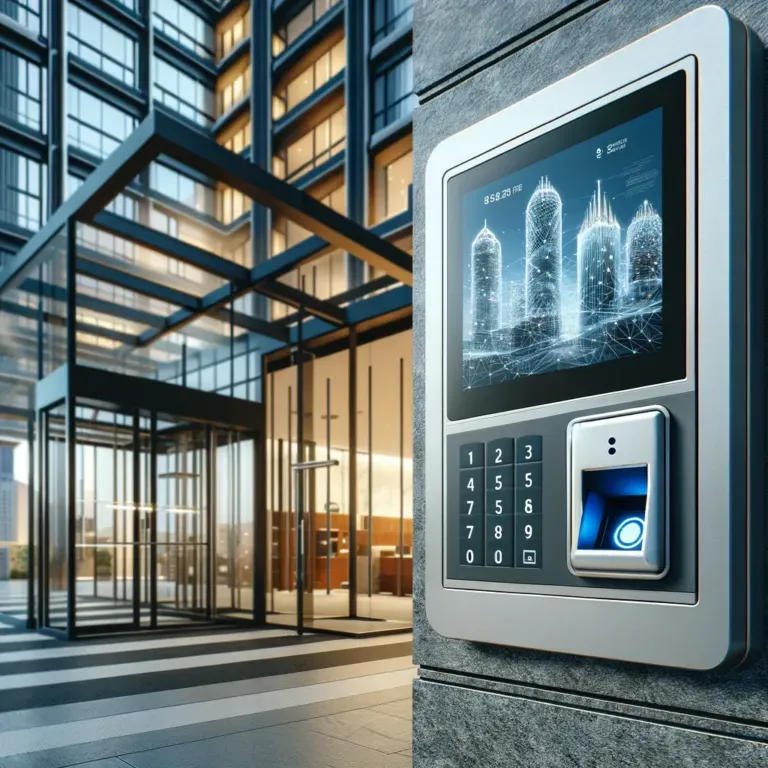
Access control systems for building security are reshaping how facilities protect occupants, assets, and operations by deciding who can enter, when, and from where, thereby moving security from a reactive stance to an anticipatory, policy-driven discipline. Smart policies and scalable credentialing align entry rights with roles, schedules, and risk levels, reducing bottlenecks at doors while maintaining rigorous oversight and rapid response when anomalies arise. RFID access control and mobile credentials simplify onboarding, revocation, and shift-based access, while minimizing the need to carry physical keys, which translates into smoother user experiences and tighter control over who is admitted to sensitive areas. A balanced approach can incorporate multi-factor authentication for access control, combining something users know, something they possess, and something they are to strengthen verification without creating friction at high-traffic entrances. With centralized monitoring, detailed audit trails, and integration with video, HR systems, and facilities management, these systems reduce risk, streamline operations, and improve safety for occupants, visitors, and employees alike.
Beyond locks, modern security discussions use terms like credentialing platforms, entry-management solutions, and facility access controls to describe how identity and permissioning work together in a cohesive system. These terms emphasize identity verification, policy-based access, and risk-aware gating rather than a single device, while still addressing who may enter, when, and under what conditions. Components such as visitor management, badge enrollment, and guest authentication support smooth operations alongside surveillance, HR integration, and facilities management. Framing the topic with related terms helps readers and search engines understand the scope, guiding selection, deployment, and governance of scalable security ecosystems. Ultimately, the vocabulary may vary, but the objective remains the same: reliable gates, auditable activity, and a trusted experience for occupants and visitors.
1. Layered Access Control: Perimeter to Core
A layered, perimeter-to-core approach begins at the building exterior with secure entry points such as badge-enabled doors, controlled perimeters, and visitor management. By integrating these elements with interior zoning—public areas, offices, server rooms, and data centers—you create multiple barriers that reduce the impact of a compromised credential. This strategy aligns with building security with access control principles, ensuring that a single credential cannot unlock sensitive spaces across the entire facility.
When selecting systems for buildings, prioritize solutions that offer flexible zoning, granular permissions, and rapid changes without downtime. A true layered design supports scalable growth and adapts to changing needs, while maintaining a clear audit trail of who accessed what and when. This approach also enhances the effectiveness of overall access control systems for buildings by distributing risk and enabling faster incident containment.
2. Multi-factor Authentication with Biometrics for Strong Access Control
Multi-factor authentication for access control combines something users know (PIN), something they have (card or mobile credential), and something they are (biometric data). Biometrics adds a reliable, hard-to-share verification layer, while mobile credentials provide convenient entry, helping balance security with user experience. This approach emphasizes biometric access control as a core component of a robust security posture.
When implementing MFA with biometrics, assess accuracy, speed, user acceptance, and privacy implications. A well-balanced MFA strategy strengthens access control systems for buildings without overly hindering workers, visitors, or contractors. Integrating MFA with existing video surveillance and credential lifecycle management further enhances control over access points and reduces the risk of credential sharing.
3. RFID Access Control and Mobile Credentials for Scalable Entry
RFID access control and mobile credentials are foundational for scalable, hands-off entry management. They enable rapid door verification, reduce the need for physical keys, and support real-time provisioning and revocation of credentials. For large sites or buildings with frequent visitors, RFID-based systems paired with mobile apps streamline onboarding and HR-system integration for role-based access.
As you deploy RFID access control, plan for secure key management, defined credential lifecycles, and robust fallback options for offline or degraded network conditions. Ensuring reliable offline functionality mitigates risk during outages and maintains access control integrity across all building environments.
4. Centralized Management, Real-Time Monitoring, and Analytics
A centralized management platform—whether cloud-enabled or on-premises—provides a single source of truth for who has access, where, and when. Real-time monitoring accelerates incident response, while analytics reveal patterns such as unusual entry times or credential sharing. This aligns with building security with access control by enabling proactive risk management and faster decision-making.
When selecting solutions for buildings, prioritize features like role-based access control, automated alerts, and detailed audit trails. Seamless integration with video surveillance, HRIS, and facilities management systems simplifies policy enforcement and compliance reporting, turning data into actionable security improvements across the entire facility.
5. Enforcing Least Privilege with RBAC in access control systems for building security
Least privilege is a core security principle: assign access rights based on roles and adjust permissions as roles change. RBAC reduces the risk of unauthorized access to sensitive areas and minimizes accidental data exposure. Regular reviews help ensure that elevated access is never more permissive than necessary, reinforcing a disciplined security posture.
Automation should flag stale or unnecessary access, supporting timely adjustments as personnel change roles. By aligning access levels with job requirements, organizations keep the number of users with elevated permissions small, strengthening overall security with access control systems for building security. This approach also simplifies audits and reduces the window for credential abuse.
6. Audits, Guest Management, and Privacy by Design
Regular audits, credential management, and robust guest controls are essential for maintaining correct access rights. Implement a clear guest workflow for short-term access, with temporary credentials that automatically expire, and schedule recurring permission reviews to ensure ongoing relevance and security. These practices help prevent credential creep and limit insider risk.
Privacy by design should guide data handling: minimize collected data, encrypt data at rest and in transit, and establish transparent retention policies for access logs. Choose vendors that emphasize privacy-friendly practices and regulatory compliance, ensuring the security infrastructure supports both protection and user trust in building security with access control.
Frequently Asked Questions
What are access control systems for building security, and why are they essential for modern facilities?
Access control systems for building security are technologies that manage who can enter, when, and where. They provide a proactive layer by enforcing perimeters, segmenting sensitive zones, and recording entry activity for audits, thereby reducing risk and improving safety.
How does multi-factor authentication for access control improve building security with access control systems for building security?
Multi-factor authentication for access control adds layers beyond a password. Combine something you know with something you have, and use biometric access control where appropriate to improve security while preserving a smooth user experience.
In what ways do RFID access control and mobile credentials support scalable access control systems for buildings?
RFID access control and mobile credentials enable scalable entry management. They support rapid door verification, easy provisioning and revocation, and integration with HR data for role-based access.
Why is centralized management with real-time monitoring important in access control systems for building security?
Centralized management with real-time monitoring provides a single source of truth on who has access, when, and where within building security. It enables automated alerts and detailed audit trails, and should integrate with video surveillance, HRIS, and facilities management.
How do least privilege and RBAC apply to access control systems for buildings, and what are best practices?
Least privilege and RBAC ensure users receive only the access rights needed for their roles. Conduct regular role reviews, automate permission checks, and flag stale or elevated access to strengthen security across the building.
What are best practices for audits, credential management, and guest access controls within building security with access control?
Establish clear audit and credential management processes: implement guest workflows with temporary credentials that expire, enforce timely suspension and revocation, test offline modes during outages, and maintain strong access control hygiene to reduce risk.
| Topic | Key Points |
|---|---|
| Strategy 1 — Adopt a layered, perimeter-to-core approach | • Layered defense beginning at the perimeter with badge-enabled doors, turnstiles, and visitor management • Inside, segment access by zone (public areas, offices, server rooms, data centers) with different clearances • Reduces blast radius of compromised credentials; prevents a single point of failure • Look for: flexible zoning, granular permissions, quick changes without downtime |
| Strategy 2 — Implement multi-factor authentication (MFA) with biometrics where appropriate | • MFA combines something you know (PIN/password), something you have (card/mobile credential), and something you are (biometrics) • Biometrics add reliability; mobile credentials offer convenience • Consider accuracy, speed, user acceptance, privacy implications • Balanced MFA strengthens security while preserving user experience |
| Strategy 3 — Leverage RFID and mobile credentials for scalable access | • RFID cards and mobile credentials enable rapid verification and reduce key handling • Supports onboarding, revocation, and HR integration for role-based access • Plan for key management, credential lifecycles, and offline/degraded network fallbacks |
| Strategy 4 — Centralize management with real-time monitoring and analytics | • Centralized platform provides a single source of truth on who has access, where, and when • Real-time monitoring enables faster incident response; analytics reveal patterns (unusual times, failed attempts, credential sharing) • Prioritize: RBAC, automated alerts, audit trails, and integration with video, HRIS, facilities systems • Simplifies compliance reporting and policy enforcement |
| Strategy 5 — Enforce least privilege and RBAC | • Grant access by role, not individual preference; adjust as roles change • RBAC reduces exposure risk; periodic reviews are essential • Automation should flag stale/elevated access; keep elevated permissions small |
| Strategy 6 — Conduct regular audits, credential management, and guest access controls | • Regular audits ensure right people have right access at right times; clear guest workflow with temporary credentials • Schedule permission reviews; test door hardware; verify offline modes • Maintain credential issuance, suspension, and revocation to prevent credential creep; strong guest policies for contractors and visitors |
| Strategy 7 — Ensure resilience, integration, and privacy by design | • Prepare for outages with offline credentials and battery-backed controllers; resilience is key • Integrate with video, alarms, and facilities management for a cohesive security ecosystem • Privacy-by-design: data minimization, encryption, clear retention policies; choose vendors with transparent data handling |
| Implementation tips and considerations | • Start with a clear security policy: who, what, when, and under which circumstances • Prioritize user experience: onboarding, fast door authentication, mobile credentials • Plan for scalability: multi-site support, future technologies such as facial biometrics or contactless entry • Align with other security systems: CCTV, intrusion detection, HR systems, visitor management • Budget and ROI: quantify reduced risk, fewer incidents, lower key management costs, and improved efficiency • Training and change management: educate occupants on credential handling and privacy considerations • Compliance readiness: align with local laws and industry standards |
| Real-world examples and benefits | • Centralized, RBAC-based management can simplify administration for campuses and large facilities • Mobile credentials and guest management reduce distribution costs and improve visitor experience • Biometric options provide strong verification when used responsibly; minimize burden of carrying multiple cards • Overall, the right mix of strategies delivers measurable improvements in safety, operations, and peace of mind |