
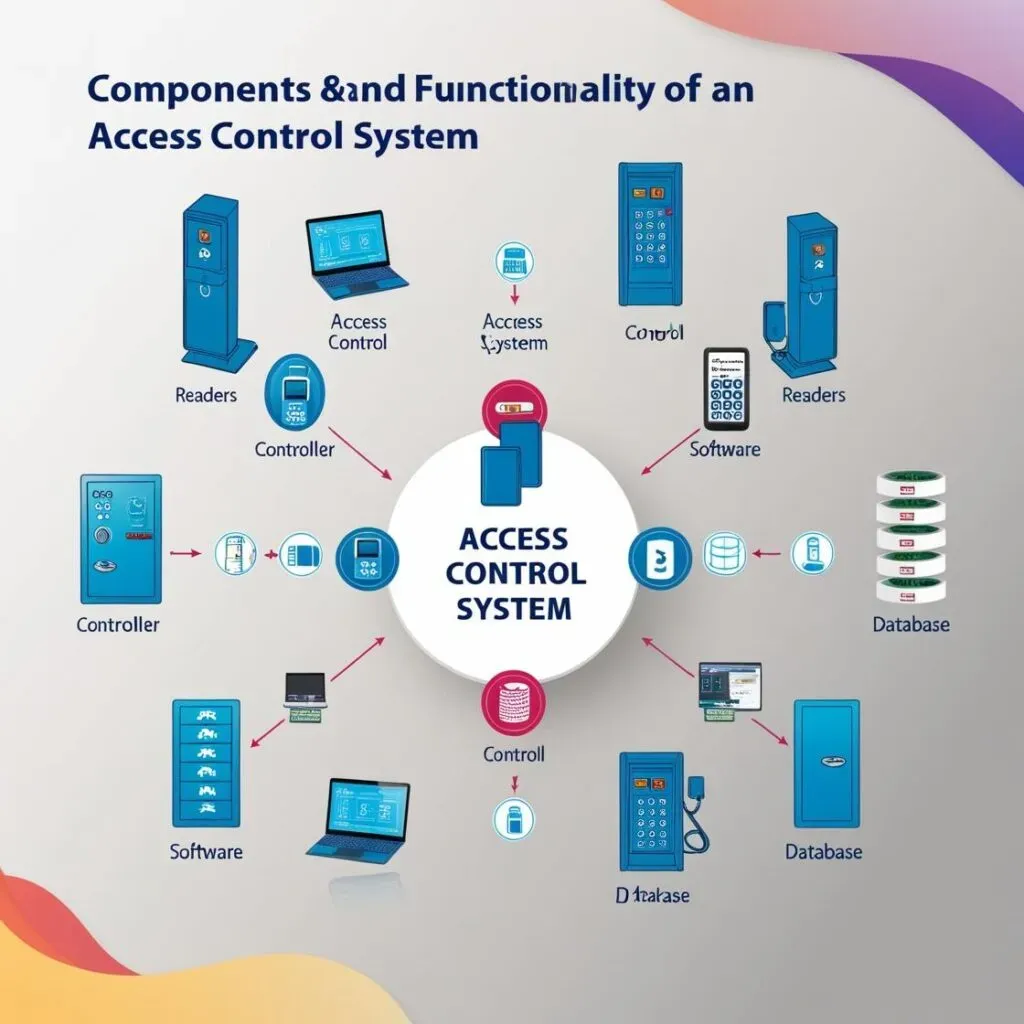
Access control systems are reshaping how facilities manage entry and movement, delivering security without slowing legitimate users. From improved security and operational efficiency to an auditable trail, the benefits of modern access management extend well beyond traditional locks. This article draws on practical considerations suitable for everything from small offices to large campuses. By integrating credentials, timelines, and permissions—including biometric access control—these systems adapt to evolving risks while maintaining a smooth user experience. Whether you’re upgrading security for a single building or a multi-site operation, the right approach supports protection, policy compliance, and everyday access management.
In other words, modern entry-management platforms act as gatekeepers, regulating who can enter, when, and from where. These solutions rely on credential management, identity verification, and policy-driven rules, aligning with different flavors found in the types of access control systems. Biometric options, mobile credentials, smart cards, and PINs all represent alternate means of securing doors while preserving user convenience. From a security perspective, a well-designed deployment balances privacy, reliability, and resilience, strengthening access control system security while maintaining governance and clear audit trails. If you’re planning a rollout, the goal is to integrate seamlessly with existing systems and ensure a smooth transition for users.
Access Control Systems: A Strategic Cornerstone of Modern Security
Access control systems play a pivotal role in safeguarding people, assets, and information by replacing traditional keys with credential-based access. This shift enables organizations to define who can enter, when they can enter, and from which doors, creating verifiable audit trails and reducing the risk of unauthorized entry. The result is a tangible realization of the benefits of access control systems, including enhanced security posture, improved incident response, and streamlined compliance reporting.
Beyond doors, these systems contribute to overall security system efficiency by enabling remote management, centralized provisioning, and scalable access across multiple sites. When implemented thoughtfully, access control system security becomes a foundational layer in a layered defense, integrating with cameras, alarms, and identity management to deliver a cohesive and responsive security ecosystem.
Types of Access Control Systems: Finding the Right Fit for Your Facility
Understanding the types of access control systems helps organizations select the most effective solution for their environment. Core options include card-based and cardless systems, keypad and PIN controls, biometric access control, RFID/mobile credentials, and time-based or role-based access. Each type has its own strengths and trade-offs, influencing factors such as cost, convenience, and maintenance.
A modern security program often blends several approaches to balance convenience with security. For instance, card-based systems may be paired with mobile credentials, while biometric options provide strong authentication in high-risk areas. Thoughtful selection and phased deployment support smoother implementation and better long-term outcomes for installing access control systems across diverse facilities.
Biometric Access Control: Strengthening Identity Verification
Biometric access control represents a significant advancement in identity verification by leveraging unique physiological traits such as fingerprints, facial recognition, or iris scans. This approach reduces credential loss, sharing, and impersonation, delivering higher assurance in sensitive or high-security environments. When integrating biometric solutions, organizations should weigh accuracy, privacy, and environmental suitability to ensure reliable performance.
Implementing biometric systems works best when paired with other credentials, creating a layered approach that preserves accessibility while strengthening security. Attention to data protection, user consent, and regulatory compliance ensures biometric deployments deliver the intended benefits without compromising privacy or user experience.
Planning, Deploying, and Maintaining Access Control System Security
A successful deployment begins with a thorough plan that maps entry points, risk levels, and user access needs. Prioritizing scalability and future-proofing ensures the system can grow with the organization, while hardware and software integration considerations align with existing cameras, alarms, and identity systems. This planning stage directly supports access control system security by establishing baseline configurations, secure data handling, and governance policies.
Ongoing maintenance and governance are essential to sustaining security gains. Regular firmware updates, log reviews, and routine door hardware checks help detect anomalies and prevent drift over time. Pairing these practices with strong network security and privacy controls maintains robust protection while adapting to evolving threats and regulatory requirements.
Best Practices for Installing and Maintaining Access Control Systems
To maximize effectiveness, adhere to best practices during installation and operation. Define clear access rules with minimal-privilege policies, tie permissions to roles, and implement rigorous on/offboarding procedures. Emphasizing user experience and simplicity reduces friction while preserving security, reinforcing the realized benefits of access control systems.
Plan for redundancy and resilience, including fail-secure configurations, battery backups, and offline modes for emergencies. Establish a routine maintenance cadence—firmware updates, log analytics, and hardware testing—and continuously monitor for anomalies. This disciplined approach ensures the system remains reliable, secure, and adaptable as needs evolve.
Integrating Access Control with Your Broader Security Ecosystem
Integrating access control with video surveillance, alarm systems, and identity governance tools amplifies overall security and provides a richer, contextual picture of risk. By enabling synchronized responses and centralized analytics, organizations can reduce incident response times and strengthen the overall security posture—the essence of leveraging the benefits of access control systems across the enterprise.
A unified security approach also supports better compliance, reporting, and stakeholder confidence. With interoperable components and scalable licensing, institutions can extend access control capabilities to new sites and adapt to changing regulations, ensuring ongoing protection while delivering a seamless user experience.
Frequently Asked Questions
What are the benefits of access control systems for modern facilities?
Access control systems improve security posture by enforcing credentials and time-based rules, creating an auditable log trail for quick investigations. They boost operational efficiency through remote management and streamlined visitor processing, and offer flexibility and scalability as sites grow. When integrated with other security tools, these systems deliver a layered defense that enhances overall protection.
What are the types of access control systems and how do you choose the right one for your environment?
Common types include card-based and cardless systems, keypad and PIN controls, biometric access control, RFID/mobile credentials, and time-based or role-based access rules. Each type offers different trade-offs in convenience, cost, and security, so evaluate practicality, user experience, and maintenance needs. A layered approach—combining multiple methods—often provides the best balance.
How does biometric access control work, and when should you consider its use?
Biometric access control verifies identity using unique traits such as fingerprints, facial recognition, or iris scans. It reduces credential loss and sharing and can speed up entry, but requires attention to accuracy, privacy, and environmental suitability. Multimodal biometric solutions can offer higher assurance while remaining aligned with user experience and regulatory requirements.
What is involved in ensuring access control system security during deployment?
Ensure strong access control system security through encrypted communications, secure device authentication, and protected credential data and event logs. Plan for network security, backups, and regular firmware updates, and ensure privacy compliance and alignment with broader security policies. Integration with cameras, alarms, and identity systems should be considered to strengthen the security ecosystem.
What are best practices for installing and maintaining access control systems?
Best practices include conducting a needs assessment and phased rollout, prioritizing high-risk areas, and using multi-factor authentication where appropriate. Build in redundancy with fail-secure configurations and battery backups, and establish routine maintenance like firmware updates and log reviews. Provide training for users and security staff to ensure smooth operation and ongoing compliance.
How can you plan for scalability and integration to future-proof access control systems?
Plan for growth from the start by valuing open architecture and interoperability with existing cameras, alarms, and identity management tools. Consider a clear roadmap for future enhancements and scalable licensing to control total cost of ownership. Thoughtful vendor selection and ongoing monitoring help maximize security effectiveness and return on investment.
| Topic | Key Points |
|---|---|
| Introduction | In today’s security landscape, facilities of all sizes rely on robust systems to manage who can enter and move within a space. The goal is to protect people, assets, and information without creating friction for legitimate users. Geçiş Kontrol Sistemleri—translated as access control systems—offer a proven approach to strengthening security, improving operational efficiency, and providing flexible access management. This article covers guidance from small offices to large campuses. |
| What Access Control Systems Do | Replace traditional keys with credential-based access, define who can enter, when, and from which doors; create a verifiable audit trail; deter unauthorized access; enable rapid responses to incidents. In many regulated industries, traceability and controlled entry are required, and modern solutions help meet obligations while boosting security. |
| Core Advantages |
|
| Types of Access Control Systems |
|
| Biometric Access Control: A Closer Look |
|
| Implementation Considerations |
|
| Best Practices for Installing and Maintaining |
|
| Common Pitfalls |
|
| Real-World Impact |
|
| Choosing the Right Partner |
|
Summary
Conclusion: Access control systems offer a powerful, scalable path to stronger security. By understanding the different types of systems, considering biometric options where appropriate, and following best practices for planning, deployment, and maintenance, organizations can realize significant security improvements while maintaining a smooth and efficient user experience. Whether starting small or pursuing an enterprise-wide strategy, the right access control solution can transform how you protect people, assets, and information.